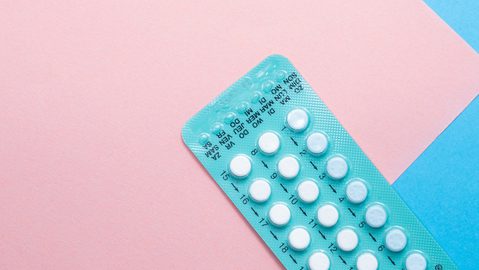
The combined pill is a very popular form of contraception, which is taken every day in the form of a pill that contains a hormonal treatment.
What is it?
The combined pill contains two hormones (estrogen and progestogen) that prevent your ovaries from releasing an egg.
Who can use it?
Not everyone can use the pill. Your GP or clinician will be able to advise you according to your medical records. Some conditions that may mean you should not use the pill can be certain medicines, overweight, breastfeeding, some illness, among others.
What are the advantages?
- It’s often used as treatment for painful, irregular and heavy periods.
- It reduces the risk of cancer of the ovary, uterus and colon.
- Also in some cases it improves acne problems and may reduce menopausal symptoms in some women.
- It may reduce the risk of fibrosis, ovarian cysts and non-cancerous breast disease.
- Unlike the birth control patch, the pill does not have any influence on metabolism.
What are the disadvantages?
- It may temporary have side effects at first such as headaches, nausea, breast tenderness and mood changes.
- It doesn’t protect against Sexually Transmitted Infection (STIs) so the use of condoms is always recommended simultaneously.
- You might need emergency contraception if you have unprotected sex and you have missed two or more pills.
Contraception Choices' Black Voices on Contraception: